We stopped 1,420 AI drafts before they were sent. That is the point.
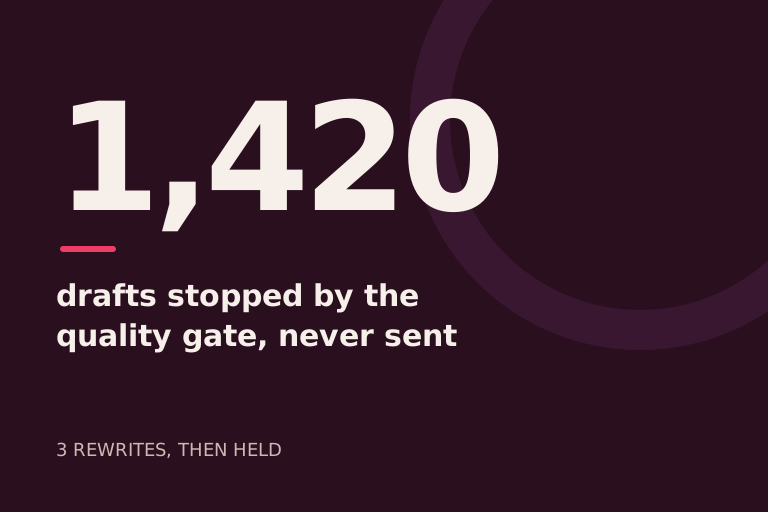
Across the three client accounts that use AI-written outreach, our quality gate has stopped 1,420 drafts from going out. If I could show only one number about how we run outreach, it would be that one.
What the gate does
Before any message leaves, it is checked against a set of rules. Some are ours and apply to everyone: no spam phrasing, no dates the AI cannot back up, no links where they do not belong. Some belong to the client: phrases they never use, a maximum number of sentences, words that describe their work the wrong way.
If a draft breaks a rule, it is rewritten with the reason attached. It gets three attempts. If the third still fails, that draft is held and never sent. The next day the step is tried again from scratch, and only a draft that passes goes out. Between July and September, 96.7% of held steps went out later with a draft that passed; the rest were never sent at all.
Why the stopped drafts matter
Outreach is judged by its worst message, not its average one. One reply that says "this is obviously automated" travels further than ten good conversations. A client who sees one off-brand message under their name stops trusting the whole system.
The 1,420 stopped drafts are 1,420 of those moments that did not happen.
What it cannot do
A gate checks rules. It cannot judge whether an offer is right for someone, and it cannot catch every way an AI can be confidently wrong. So it sits alongside two other things: a written brief for each campaign step, so the AI knows what it is and is not allowed to say, and a person reading the replies.
If you are running outreach with a tool that sends whatever it writes, the useful question is not how good its best message is. It is what happens to its worst one.